+
 +


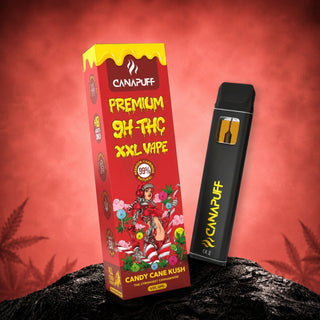







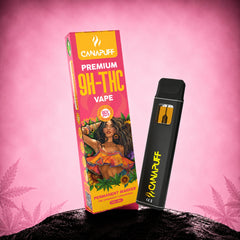

Table of contents
- What is 9H-THC? ›
- 9H-THC as the successor of 10-OH-THC ›
- 9H-THC effects: what is known and what is not ›
- 9H-THC vs THC: the main differences ›
- 9H-THC vs T9HC and T8HC ›
- Is 9H-THC legal? Germany and the rest of Europe ›
- 9H-THC vape, liquid, flowers and joints: the formats ›
- How to read a 9H-THC lab report ›
9H-THC is a trade name for a semi-synthetic cannabinoid that is sold in Europe as vapes, liquids, cartridges, flowers and joints. Vendors describe it as a modified THC compound that is made in a laboratory from hemp-derived starting material. In the Canapuff range, 9H-THC is the successor of 10-OH-THC and took over its strains and formats. There are no clinical studies on 9H-THC, and no law in Europe names it individually. The lab report of a batch is the only reliable source for what a product actually contains.
Key facts
- 9H-THC is a market name, not a scientific or legal term.
- It does not occur in relevant amounts in the hemp plant. It is produced as a distillate.
- At Canapuff, 9H-THC replaced 10-OH-THC as the successor line.
- All Canapuff products contain less than 0.2 % delta-9-THC. The percentage on the label refers to 9H-THC.
- There is no published human research on 9H-THC. Everything about its effects comes from user reports.
What is 9H-THC?
9H-THC is a semi-synthetic cannabinoid that vendors place in the THC family, but it is not the delta-9-THC that the cannabis plant produces. The name appears on product labels and in shop descriptions. It does not appear in chemistry databases or in drug laws. That matters, because a trade name does not define a molecule. Two products called 9H-THC from two different producers can have a different composition.
Like T9HC, 9H-THC belongs to a group of compounds that are made from hemp extracts. The usual starting point is CBD from low-THC industrial hemp. In a laboratory, the CBD is converted with acids, solvents and controlled heat. Chemists call this type of rearrangement isomerization. The result is purified into a concentrated distillate, which is then filled into vapes and cartridges, mixed into liquids or sprayed onto hemp flowers.
The European Union Drugs Agency (EUDA) describes this basic chemistry for HHC and related substances. Depending on the reaction conditions, several THC isomers and by-products can form. Its technical report on HHC and related substances is the best public overview of how these compounds are made and why their composition can vary.
9H-THC as the successor of 10-OH-THC
In the Canapuff range, 9H-THC is the direct successor of 10-OH-THC. The 9H-THC line took over the strains and the formats of the earlier line: disposable vapes, cartridges, pen sets, liquids, flowers and joints. Some product addresses still contain the old name, which is why you may see "10-oh-thc" in a link that leads to a 9H-THC product.
The two names stand for two different compounds. 10-OH-THC carries a hydroxyl group, which is what the "OH" in the name refers to. The successor relationship describes the product line, not a chemical conversion of one substance into the other.
| 10-OH-THC | 9H-THC | |
|---|---|---|
| Status at Canapuff | Previous line, no longer offered | Current successor line |
| Name refers to | A THC structure with a hydroxyl group | A modified THC structure, as described by vendors |
| Formats | Vapes, flowers, joints | Vapes, XXL vapes, cartridges, pen sets, liquids, flowers, joints |
| Published human studies | None for consumer products | None |
If you used 10-OH-THC products before, compare the percentage and the format on the product page. Do not assume that the experience is identical, because the compound is not the same.
9H-THC effects: what is known and what is not
No clinical study has measured the effects of 9H-THC in humans, so every statement about them comes from user reports. These reports are not measured results. They depend on the product, the format and the person, and they cannot be checked independently.
What users and vendors describe most often:
- Character: a psychoactive effect that many compare to classic THC products, with a clear mental component.
- Intensity: reports differ widely between products and formats, and no reliable comparison with other cannabinoids exists.
- Onset: faster with vapes and cartridges than with flowers, which matches what is known about inhaled cannabinoids in general.
What is not known is more important. Nobody has published data on how 9H-THC is metabolised, how long it stays in the body or how it interacts with medication. The EUDA also points out that conversion processes can leave by-products that are not well characterised. We think this uncertainty belongs at the top of any honest description of 9H-THC, not in a footnote.
Canapuff does not make health claims for 9H-THC or for any other cannabinoid. Products are for adults aged 18 or older only and must be kept out of reach of children and pets.
9H-THC vs THC: the main differences
Delta-9-THC is a natural cannabinoid with decades of research, while 9H-THC is a laboratory product with almost none. The similar names suggest a close relationship, and vendors do describe 9H-THC as structurally related to THC. Chemically and legally, however, the two are treated as separate substances.
| Delta-9-THC | 9H-THC | |
|---|---|---|
| Origin | Produced by the cannabis plant | Produced in a laboratory from hemp extracts |
| Research | Extensive, including clinical studies | No published human studies |
| Legal framework in Germany | Konsumcannabisgesetz (KCanG) and MedCanG | Not named individually; group definitions can apply |
| Content in Canapuff products | Less than 0.2 % | 95 % to 99 % in vapes and flowers |
For the rules that apply to cannabis itself, read our guide Is weed legal in Germany?
9H-THC vs T9HC and T8HC
9H-THC, T9HC and T8HC are three separate lines in the Canapuff THC range, and they differ in the cannabinoid, the strains and the formats. All three are semi-synthetic trade names without an official definition. Vendors usually describe T9HC as the strongest of the three. For 9H-THC there are too few reports for a fair ranking, so compare the cannabinoid and the percentage on the product page.
| 9H-THC | T9HC | T8HC | |
|---|---|---|---|
| Typical strength on the label | 95 % to 99 % | 95 % to 99 % | 95 % to 99 % |
| Collection | 9H-THC products | T9HC products | T8HC products |
The detailed comparison of the other two lines is in our article T8HC vs T9HC.
Is 9H-THC legal? Germany and the rest of Europe
No European law names 9H-THC, but that does not make it legal everywhere. Drug laws use chemical names and substance groups, not trade names. Whether a specific product falls under a group definition depends on its molecular structure, which is why the same product can be treated differently from one country to the next.
In Germany, the New Psychoactive Substances Act (NpSG) bans whole groups of synthetic cannabinoids. The group definitions are listed in Annex 1 of the NpSG. Authorities also act on individual substances: HHC has been listed in Annex II of the Narcotics Act (BtMG) since 23 May 2026, which makes possession a criminal offence. This shows how fast the status of semi-synthetic cannabinoids can change.
Other European countries follow their own lists. The EUDA tracks new substances across the EU in its European Drug Report chapter on new psychoactive substances. Our overview cannabinoid rules country by country summarises the current situation per market. Rules for hemp cannabinoids change often, so always check the rules in your country before you order.
9H-THC vape, liquid, flowers and joints: the formats
9H-THC is available in seven formats, and the right one depends on how often you use it and whether you want to refill. The strain name on each product describes the aroma, not the strength. White Truffle, Sour Diesel, Trainwreck, Permanent Marker and Candy Cane Kush are proper strain names and keep their names in every language.


| Format | Content | Good to know |
|---|---|---|
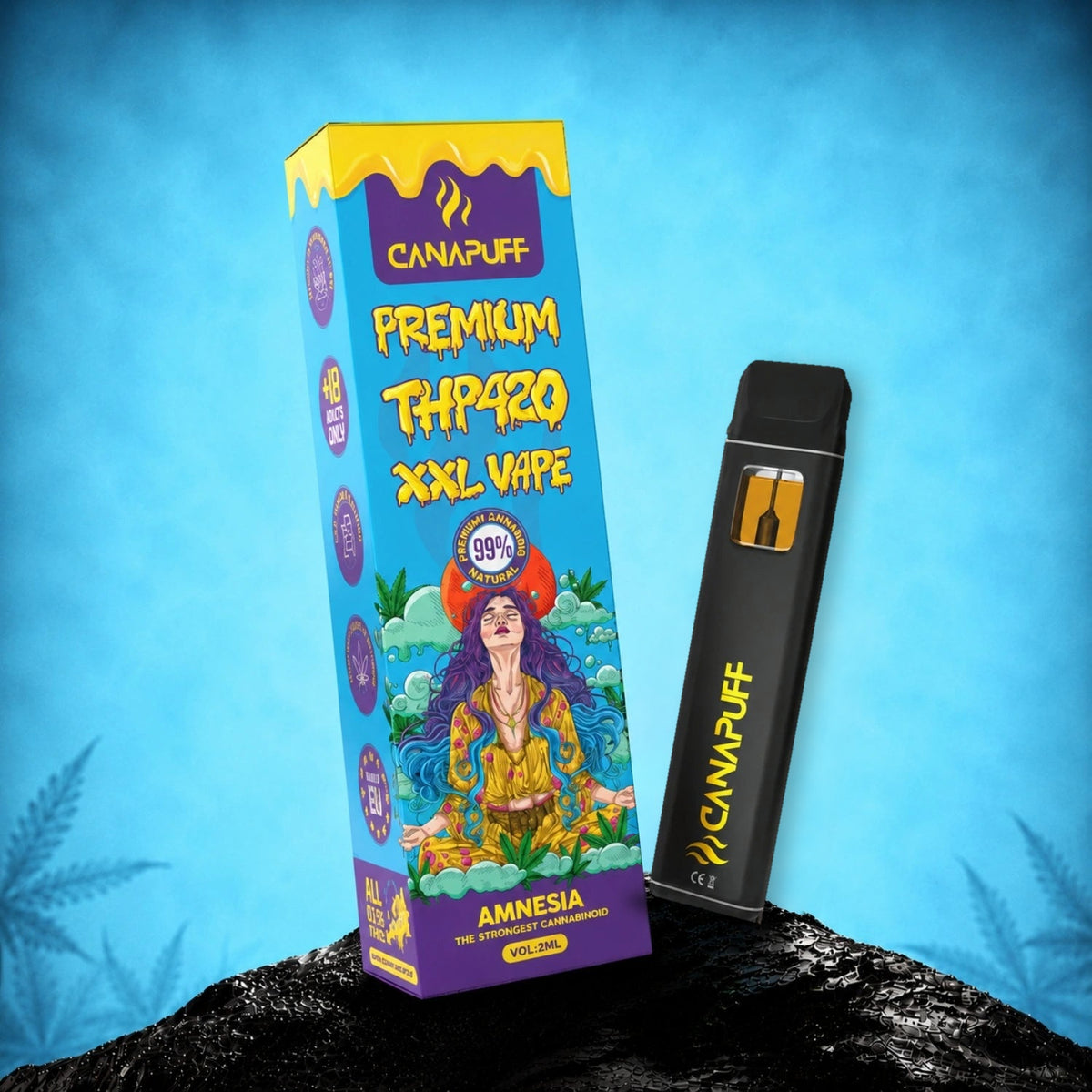
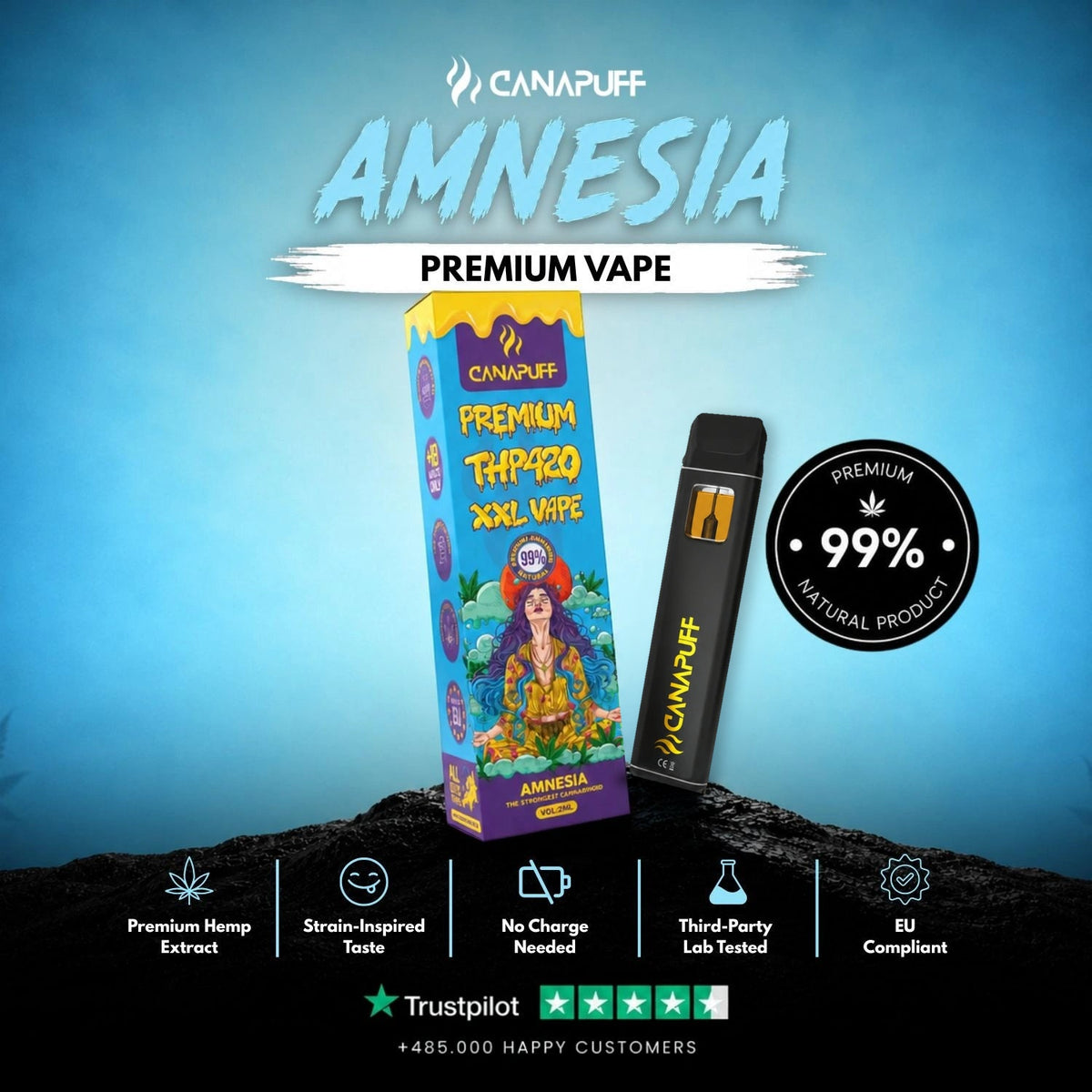
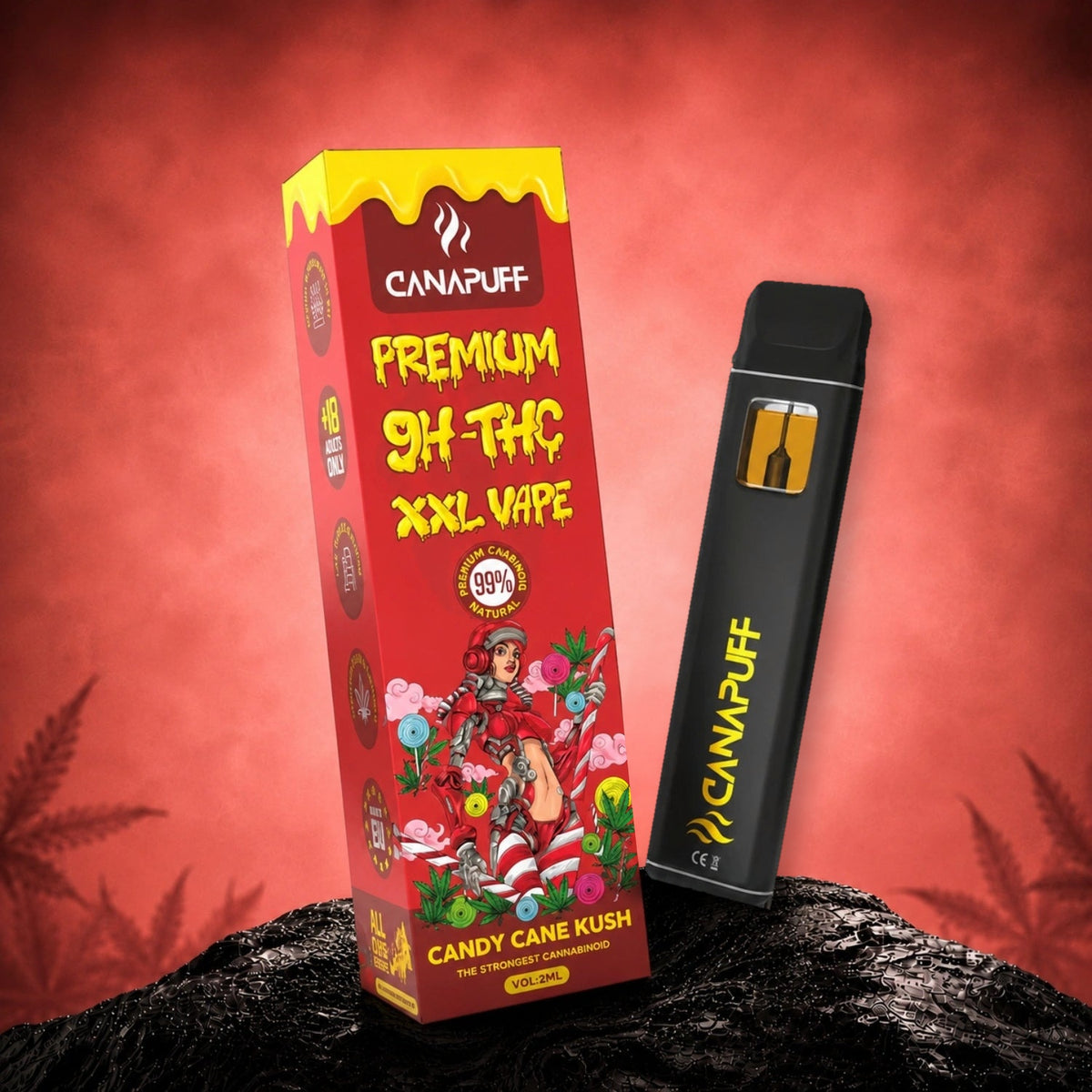
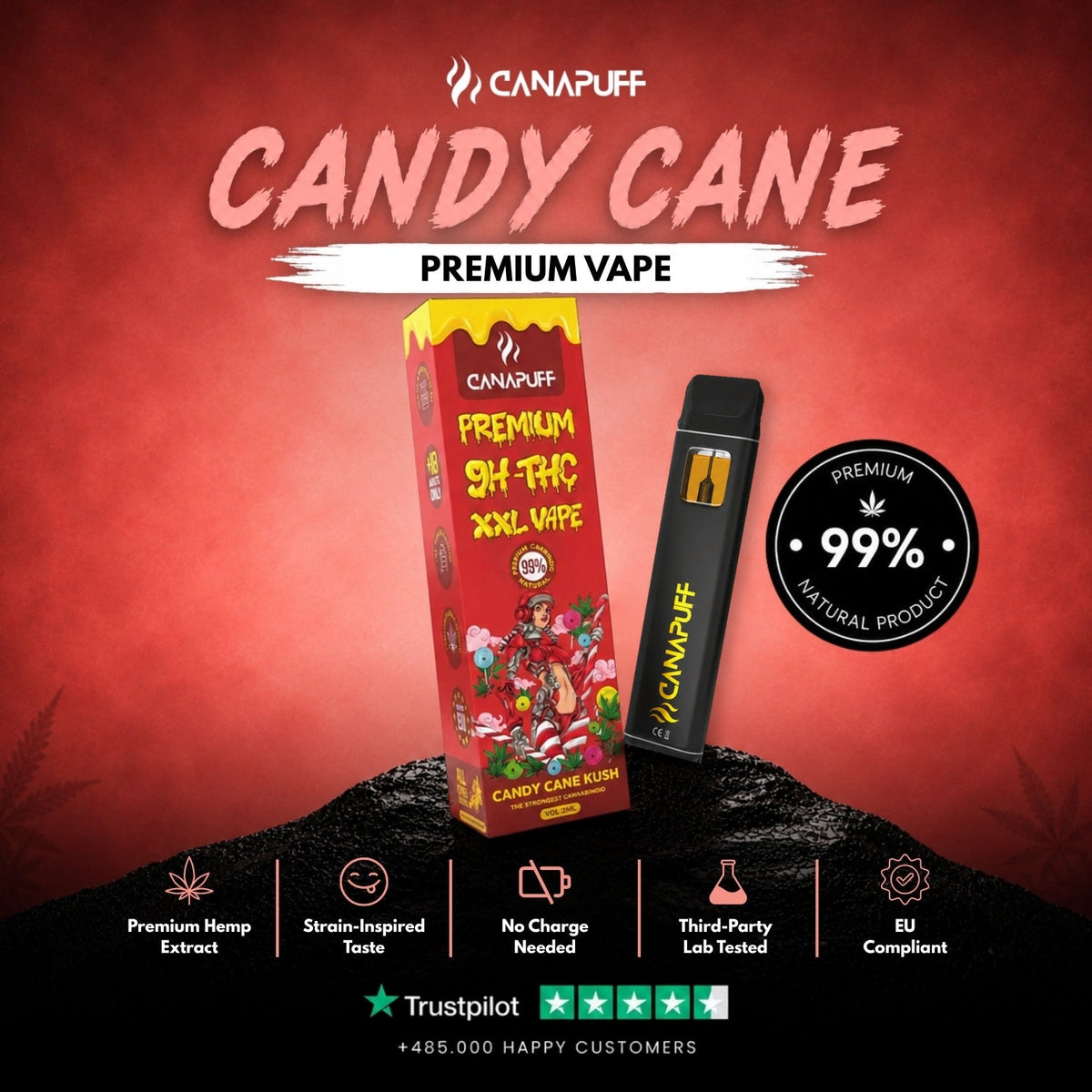
| 9H-THC vape | 1 ml, 95 % | Disposable and draw-activated, no button and no refilling |
| 9H-THC XXL vape | 2 ml, 99 % | Larger tank, rechargeable |
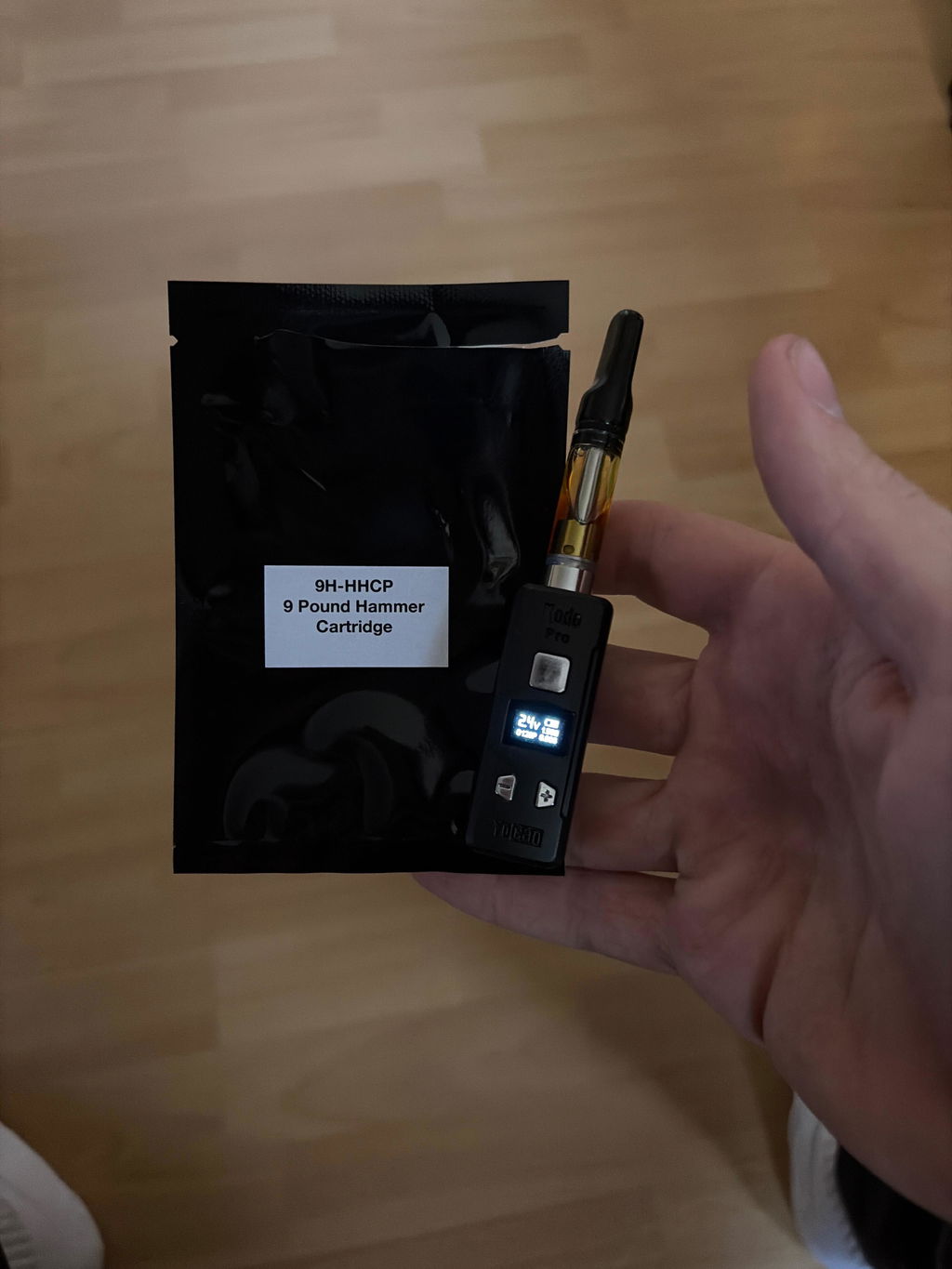
| 9H-THC cartridge | 1 ml, 95 % | 510 thread, fits standard batteries |
| Pen and cartridge set | 1 ml, 95 % | Cartridge with a rechargeable battery |
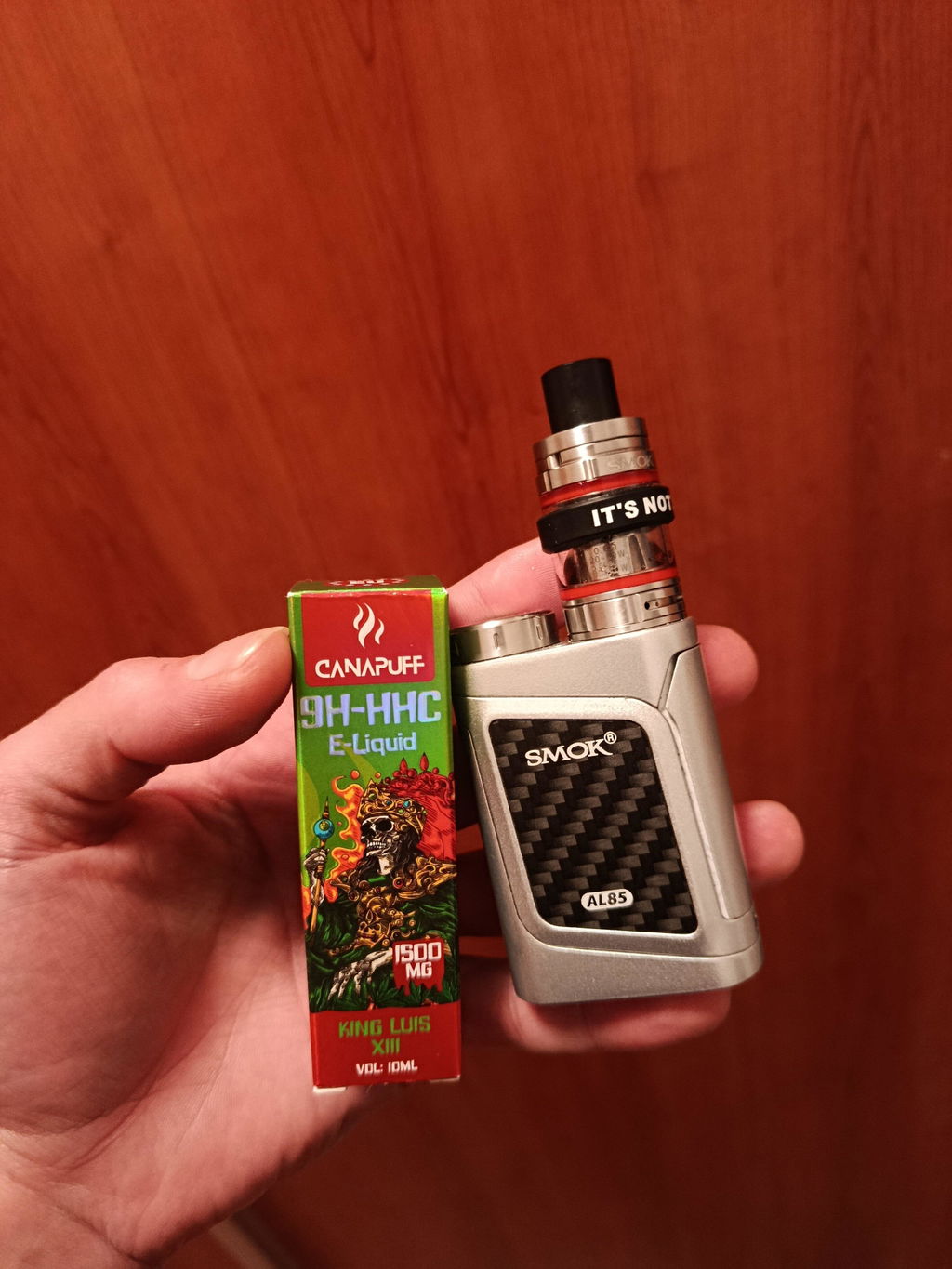
| 9H-THC liquid | 1,500 mg per bottle | For refillable pods and tanks, nicotine-free |
| 9H-THC flowers | 99 % | EU hemp flowers finished with 9H-THC distillate |
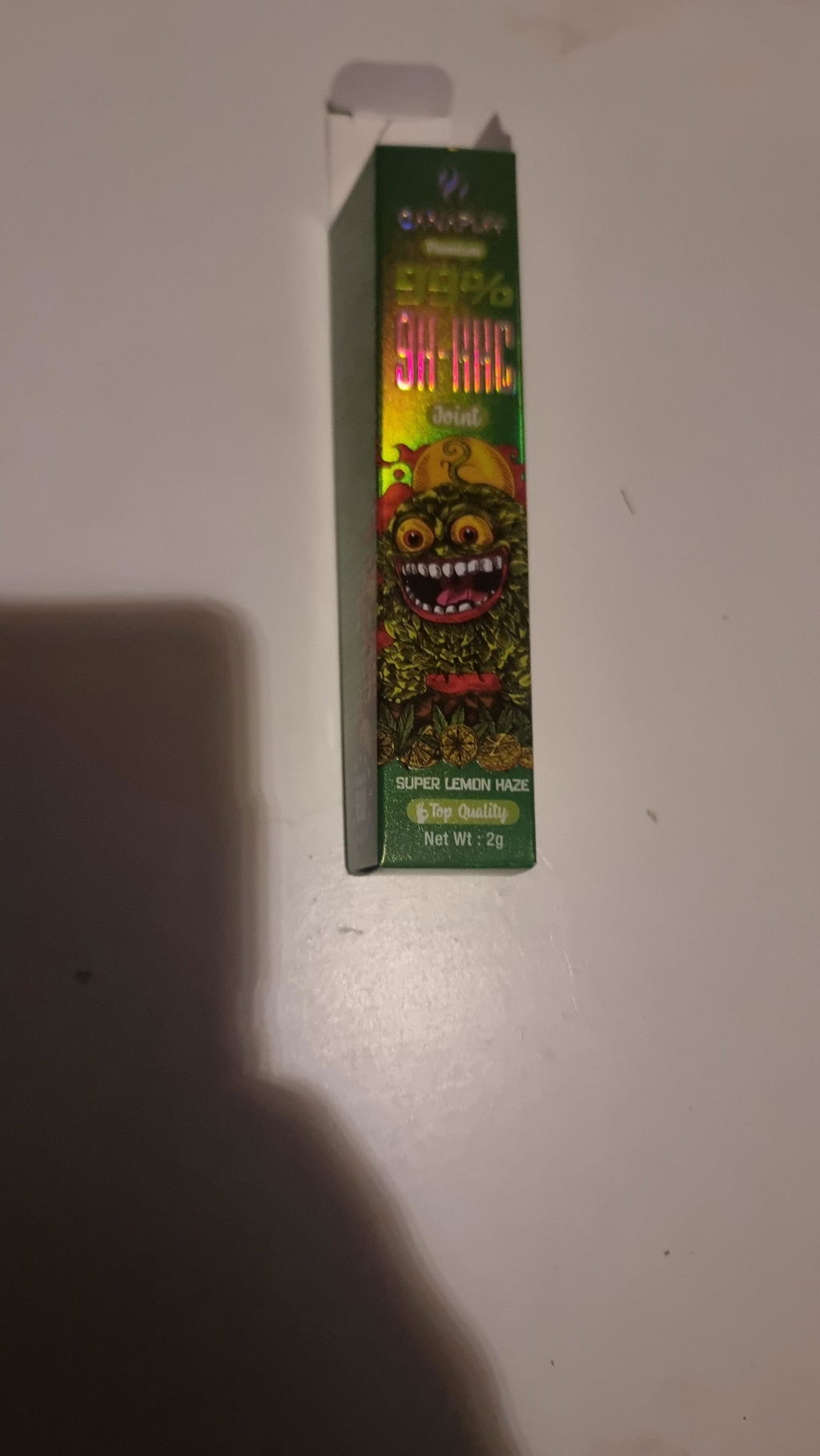
| 9H-THC joints | 99 % | Pre-rolled, same flowers as the flower line |
A disposable vape is the simplest format. A cartridge or a liquid makes more sense if you already own a battery or a pod device. How long a disposable lasts depends mainly on the length of each draw, which we explain in How long does a vape last?
How to read a 9H-THC lab report
Because the name 9H-THC defines nothing, the certificate of analysis (COA) is the document that tells you what is in the batch. At Canapuff, the lab report is linked on each product page. Check these points:
- Cannabinoid profile: which cannabinoids were measured and in which amounts, not only one 9H-THC percentage.
- Delta-9-THC value: it should be below 0.2 %.
- Batch number and date: the report must match the batch of the product you are looking at.
- Residual solvents and heavy metals: these show whether leftovers from production were tested.
- Laboratory name: it should be visible, so you can check the report.
A product without a batch report is a product whose content you have to take on trust. With a compound as new as 9H-THC, that is not enough for us.


Last full review: 1 November 2026. Every legal statement links to a primary source where one is available. This article is not legal advice.