+
 +









Table of contents
- What is THCA vs THC ›
- Does THCA get you high ›
- How THCA turns into THC: decarboxylation explained ›
- THCA flower vs THC flower ›
- THCA in vapes, hash and joints: what changes when heated ›
- THCA vs THC effects: what users report ›
- THCA and THC in lab reports: how to read the numbers ›
- Legal status of THCA in Germany, the UK and the EU ›
- THCA and drug tests ›
THCA vs THC comes down to one chemical step: THCA is the acid form that the cannabis plant builds in its fresh flowers, and heat turns it into THC. Raw THCA does not produce a high. Once a flower, a vape or a piece of hash is heated, most of the THCA has become THC, and the product behaves like a THC product.
That single step explains the rest of the comparison below: how the two show up in lab reports, why users describe the same high from heated THCA flower, why drug tests react to it and why lawmakers in Germany, the UK and the EU look at THCA closely.
What is THCA vs THC
THCA (tetrahydrocannabinolic acid, also written THC-A or THC a) is the precursor, THC (delta-9-tetrahydrocannabinol) is the product that forms from it. The plant does not produce THC directly. It produces THCA, and THCA carries an extra carboxyl group (COOH) on the molecule. According to PubChem, the chemistry database of the US National Library of Medicine, THCA has the formula C22H30O4 and a molar mass of 358.5 g/mol. THC has the formula C21H30O2 and a molar mass of 314.5 g/mol.
The extra group changes the shape of the molecule. In this form, THCA binds only weakly to the CB1 receptor in the brain, the receptor that THC acts on. This is the reason raw THCA is described as non-intoxicating.
| Point of comparison | THCA | THC |
|---|---|---|
| Chemical form | Acid form with a carboxyl group, C22H30O4 | Neutral form without the carboxyl group, C21H30O2 |
| Raw, unheated | No high reported | Present only in small amounts in fresh flowers |
| After heating | Converts to THC | Stays THC |
| Typical formats | THCA flower, THCA vapes, THCA hash, THCA joints | Cannabis flower, resin, extracts |
| Lab report | Listed as THCA | Listed as delta-9-THC, often together with total THC |
| Legal handling (status 13 November 2026) | No separate rule in German or UK law; treated through the rules for cannabis and THC | Controlled as cannabis in Germany (KCanG) and the UK (Misuse of Drugs Act 1971) |
Does THCA get you high
Raw THCA does not get you high, heated THCA does, because heat turns it into THC. As long as THCA keeps its carboxyl group, it does not act on the CB1 receptor in the way THC does. Users who handle fresh, unheated plant material report no intoxication.
The situation changes with heat. Smoking, vaporising or baking removes the carboxyl group. The person then inhales or eats THC, not THCA. For this reason, the question "does THCA get you high" has two answers: no in the raw plant, yes in every product that is heated before use. A product label that says THCA does not mean the product is milder than a THC product.
How THCA turns into THC: decarboxylation explained
Decarboxylation is the reaction in which THCA loses its carboxyl group as carbon dioxide and becomes THC. The reaction needs heat and time. A flame or a heated vaporiser chamber starts it within seconds. Lower temperatures need much longer. At room temperature, the process runs slowly over months of storage.
A study by Wang and colleagues (Cannabis and Cannabinoid Research, 2016) measured the conversion of acidic cannabinoids at different temperatures and times. Their results show that the yield depends on both values, and that part of the cannabinoids degrades instead of converting. The reaction is not perfect. Our article on how decarboxylation activates THC and CBD explains the process for both cannabinoids.
Because the molecule loses the carboxyl group, it also loses mass. This matters when you read lab numbers, as the section on lab reports below shows.
THCA flower vs THC flower
THCA flower and THC flower can be the same plant material, the difference lies in how the cannabinoid content is measured and labelled. Fresh cannabis flowers contain mostly THCA and only a small share of THC. Drying and curing convert a little more. When a flower is sold as "THCA flower", the label names the THCA value. When a flower is sold as "THC flower", the label names the THC value or the total THC value.

In practice, the two are used the same way, with heat. The result is THC in both cases. The THCA flower collection on canapuff.com lists the Monkey series, for example Monkey Glue, Jungle Monkey, Atomic Monkey and Panic Monkey. The cannabinoid and a percentage are part of each product name. The format comparison in our THCA guide to flower, vapes, hash and the legal situation covers the differences between the product types in more detail.
THCA in vapes, hash and joints: what changes when heated
In every heated format, the THCA ends up as THC, only the route is different. The format decides when the conversion takes place and how much of it happens.
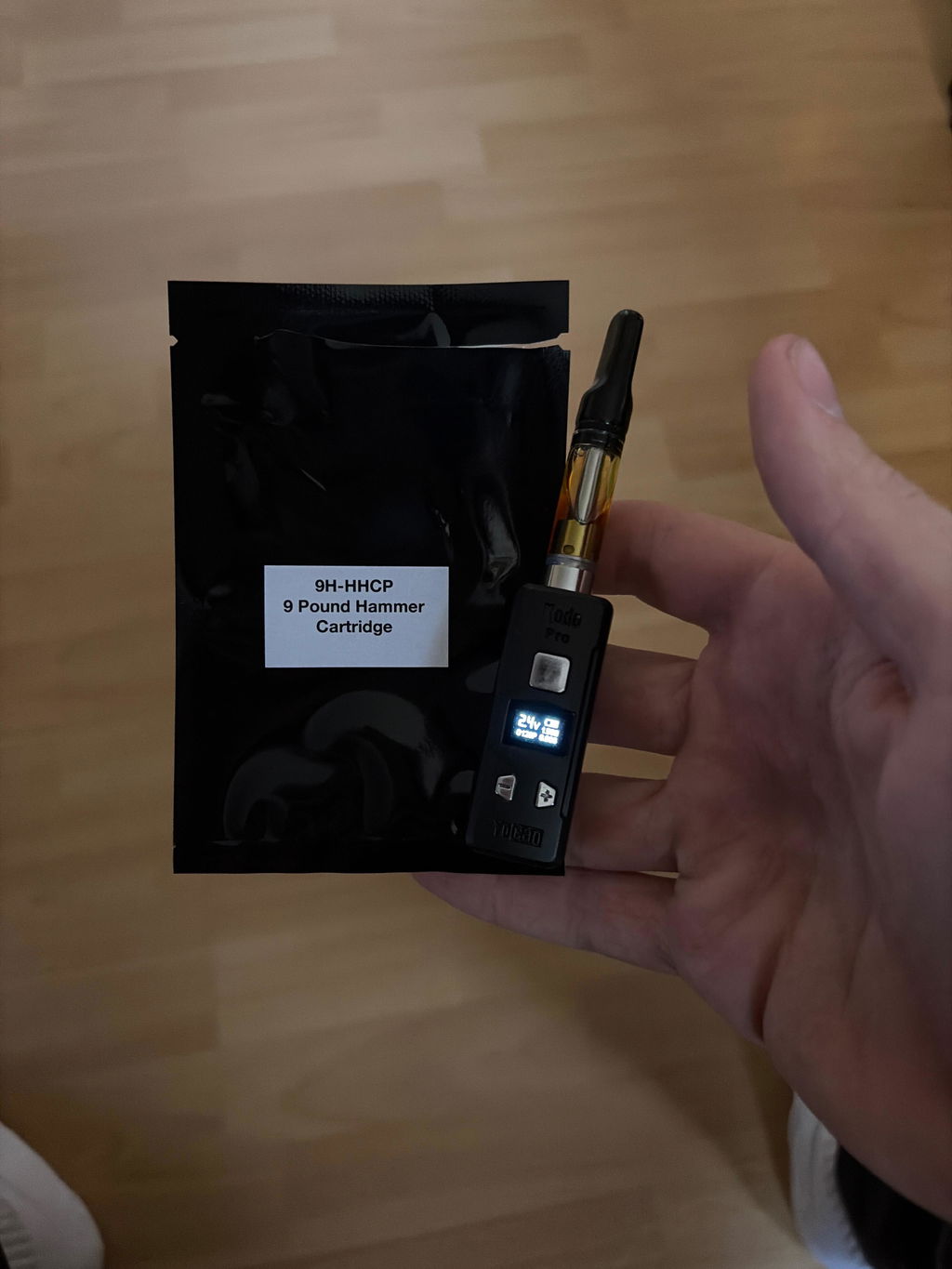
- Vapes: the THCA extract sits in a pre-filled device. The heating element converts it at the moment of use. The THCA vapes on canapuff.com come as 1 ml disposable devices, cartridges and pods.
- Hash: hash is pressed resin, the part of the plant with the highest cannabinoid concentration. When it is heated, its THCA converts in the same way as in flower. Our article on THCA hash and how it is made also compares it with THCA flower.
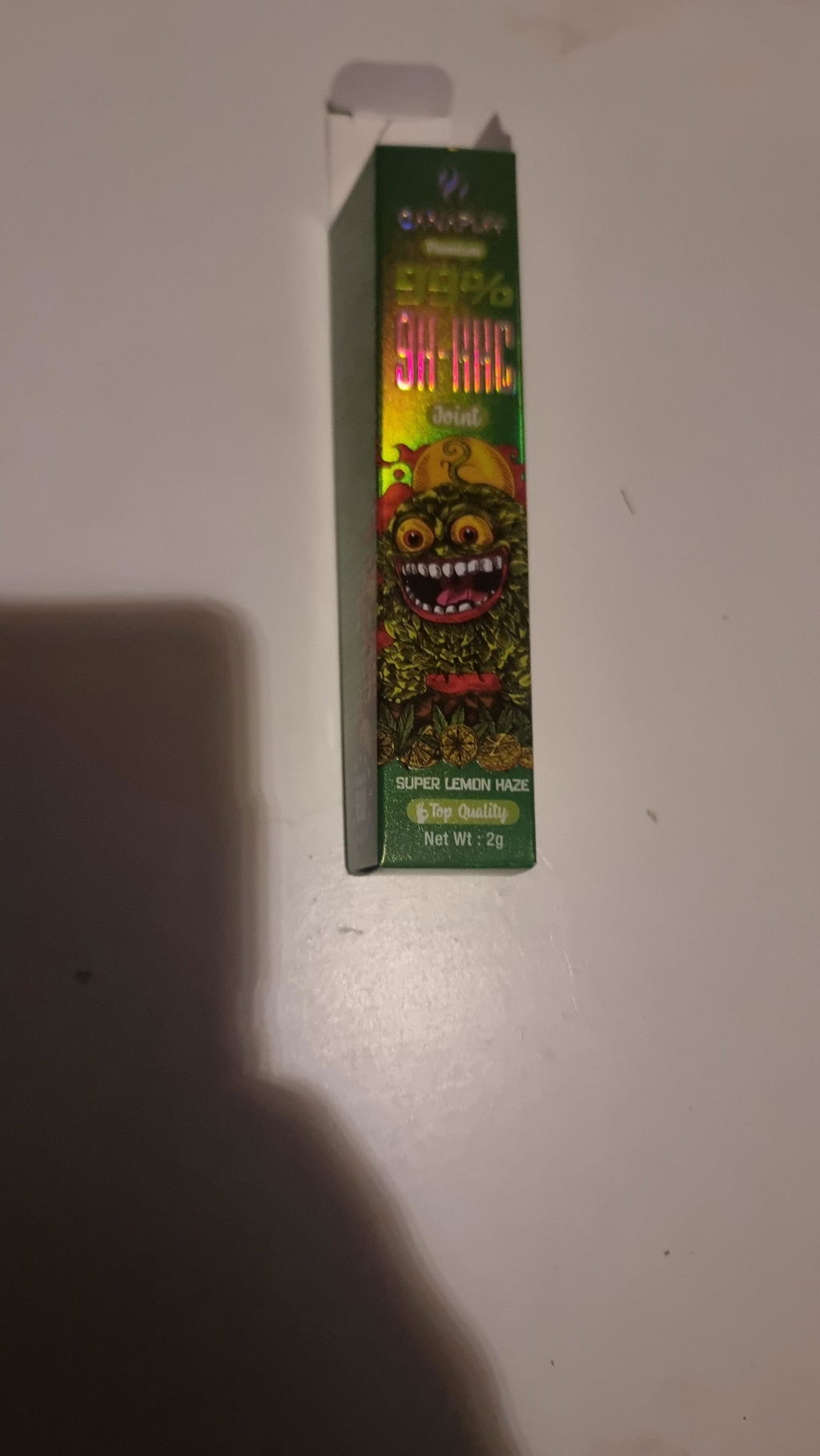
- Joints: a pre-rolled joint burns the flower, and the burning tip converts THCA to THC. The THCA joints in the shop are 2 g pre-rolls.
The chemistry is the same in all three cases. Part of the cannabinoids degrades during heating, so the THC that forms is always a little less than the total THC on paper.
THCA vs THC effects: what users report
Users describe the effects of heated THCA products as the same kind of high they know from THC products. This matches the chemistry. After heating, the body receives THC. Reports in forums and user reviews mention the same effects that are known from THC: a change in mood and perception, relaxation in some people and restlessness in others.
Reports differ widely from person to person. They depend on the product, the amount of THC that forms and the personal situation of the user. We do not make health claims for THCA or THC. Statements about medical benefits of THCA come from early laboratory research and are not proven for humans.
THCA and THC in lab reports: how to read the numbers
A lab report lists THCA and delta-9-THC separately, and the total THC value shows how much THC the sample can reach after full conversion. Labs that test cannabis usually report these lines:

- THCA: the acid form, measured in percent of the sample weight.
- Delta-9-THC: the THC that is already present.
- Total THC: the THC value after a theoretical full conversion of THCA.
Total THC is calculated with a factor of 0.877. The factor follows from the molar masses: 314.5 divided by 358.5 is 0.877. In other words, THCA loses about 12 percent of its mass when it turns into THC. A sample with 20 percent THCA and 1 percent THC therefore has a total THC of 0.877 × 20 + 1, which is about 18.5 percent. This is why a THCA percentage and a THC percentage on two labels cannot be compared directly. In real heating, the yield is lower, because the reaction is incomplete and part of the material degrades.
Product names on canapuff.com contain the cannabinoid and a percentage, for example "THCA Hash Afghan Gold 99% 1g". If a lab report is available for a product, check it to see what this value refers to and how it was measured. The full range is in the THCA collection.
Legal status of THCA in Germany, the UK and the EU
No law in Germany, the UK or the EU has a separate rule for THCA, and in all three cases THCA is handled through the rules for cannabis and THC. The following overview is information only. It is not legal advice, and it does not mean that any THCA product is legal in your country. Status of the sources: 13 November 2026.
Germany: the Konsumcannabisgesetz (KCanG) of 27 March 2024 has been in force since 1 April 2024. Its definition in Section 1 counts as cannabis the plants, flowers, other plant parts and resin of the genus Cannabis, including the cannabinoids they contain. THC is defined as the delta-9-THC group. Industrial hemp is an exception, under conditions that include a THC content of no more than 0.3 percent and a commercial or scientific purpose that excludes use for intoxication. The law text contains no separate rule for THCA. Because THCA becomes THC when heated, the low THC value of a raw product says little about its real potential.
United Kingdom: Section 37 of the Misuse of Drugs Act 1971 defines cannabis as any plant of the genus Cannabis or any part of it, "by whatever name designated". Cannabis and cannabis resin are listed as Class B drugs. A label that names THCA instead of THC does not change this definition.
European Union: there is no EU-wide rule on THCA in consumer products. Regulation (EU) 2021/2115 on the CAP strategic plans links farm payments for hemp to varieties with a THC content of no more than 0.3 percent. The rules for selling cannabis products are set by each member state.
Check the current law where you live before you order. This is general information, not legal advice.
THCA and drug tests
Common drug tests look for THC and its breakdown products, so heated THCA can lead to a positive result in the same way as THC. After THCA is smoked or vaporised, the body processes THC. It does not matter that the label of the product said THCA. A test does not see the label, it sees the substances in the sample.
How long these substances stay detectable depends on the type of test and on how often a person uses cannabis. Our article how long does THCA stay in your system explains the detection windows for urine, blood, saliva and hair tests.
Last full review: 13 November 2026. Every claim cites a primary source where available. Not legal advice.